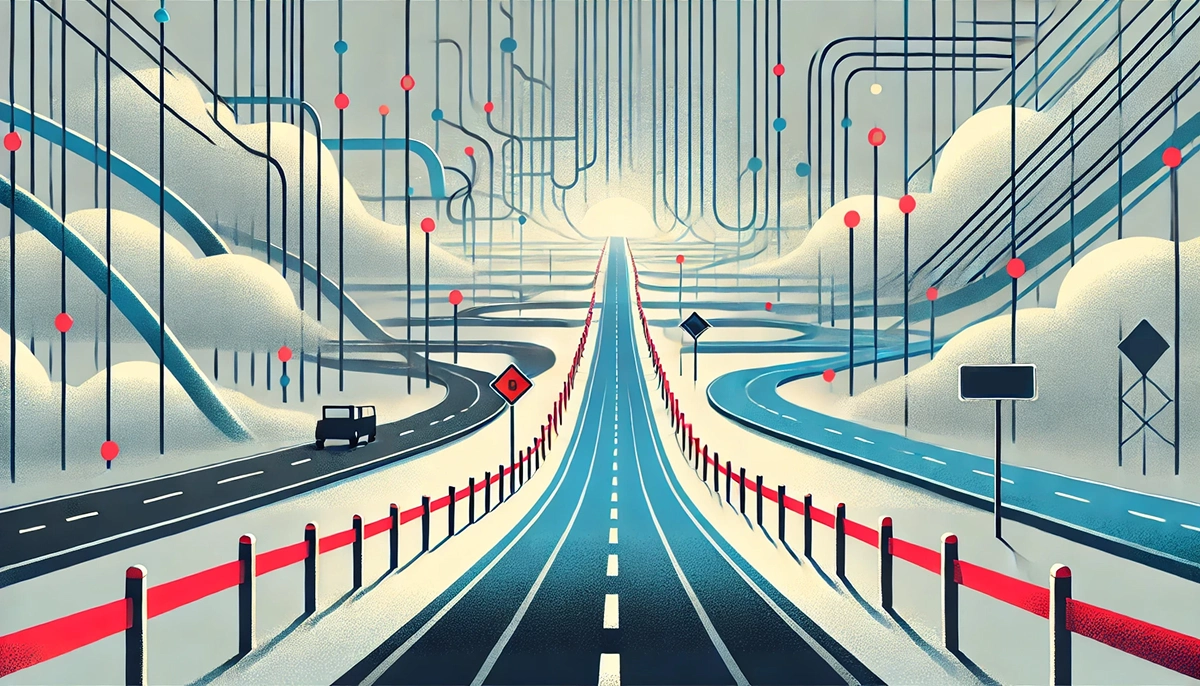
 The Power of Platform Constraints: Why Boundaries Make Better Builders
The Power of Platform Constraints: Why Boundaries Make Better Builders
Ironically, the freedom that was meant to empower teams ends up overwhelming them.
DIY DevSecOps pipelines replaced waterfall friction with tooling chaos. Productized platforms make security, compliance, and automation inherited defaults so developers can focus on mission logic.
If you want to see the exact moment a software project loses its momentum, watch what happens when an engineer finishes writing the mission logic and tries to push it to production in a regulated environment.
Suddenly, they aren't building capability anymore. They are fighting the "Final Boss" of compliance. They are wrestling with a brittle, duct-taped pipeline of thirty different open-source tools. They are submitting tickets, waiting for approvals, and writing custom YAML files just to prove their code is safe to deploy.
We feel the pain of these developers, but we need to give the industry a massive reality check: This isn't what DevSecOps was supposed to be. Every great technology movement starts by solving a critical problem, but the solution that defines a market is rarely the one that dominates it long-term. Nokia defined the mobile phone era, but Apple and Android reshaped it. DOS built the foundation for modern computing, but graphical interfaces rewrote the rules.
Today, DevSecOps has become the DOS of software delivery. It opened the door, but it’s time to admit that the original playbook has become rigid, fragmented, and obsessed with process over outcomes.
A decade ago, DevSecOps was a necessary revolution. It forced the Department of Defense (DoD) to realize that security couldn’t be an afterthought stamped on at the end of a waterfall process. We needed to "shift left."
But the defense industry misinterpreted the assignment. It took a philosophy about culture and automation and turned it into an integration nightmare. Instead of giving developers a fast, secure way to ship software, it told every single program office to build their own bespoke software factory from scratch.
It traded the friction of legacy waterfall for the friction of Tooling Chaos. It asked developers—the people who should be writing algorithms that win fights—to become part-time systems integrators. This is the ultimate "Services Drag." When every team is forced to wire together their own Kubernetes clusters, scanners, and CI/CD pipelines, this wasn’t shifting security left; this was shifting the burden left.
Just like DOS, the DIY DevSecOps pipeline solved a real problem, but it is not the final answer. The next generation of software delivery requires a fundamental paradigm shift: Security, compliance, and automation must be inherited by default, not bolted together by the end-user.
We need to stop admiring the technical complexity of our pipelines and start adopting productized platforms.
Engineers should be solving mission-logic problems, not wrestling with flaky, duct-taped pipelines that fail for no apparent reason. When every environment is a "snowflake," developers are forced into constant context switching—moving from writing code to debugging an obscure YAML error in a bespoke CI/CD script.
At BrainGu®, we believe security shouldn't be an impediment to speed.
SmoothGlue® acts as a productivity tool that replaces that chaos with stability. It provides a hardened, predictable machine where security and compliance are inherited by default. Instead of spending weeks building infrastructure from scratch, developers use a control panel to pull levers on a pre-validated system.
This shift is the antidote to the Services Drag. While the business model of Services Drag thrives on billable hours spent "admiring the problem," a productized platform focuses on results. It removes the burden of systems integration from the developer, allowing them to ship at the speed of relevance without being bogged down by the ceremony of manual compliance.
We need to move from "DIY DevSecOps" to "Golden Paths by Design." Evidence over ceremony. The platform enforces the boundaries and handles the cATO (Continuous Authority to Operate) controls, making the secure way the easiest way.
We have to stop treating DevSecOps as a massive checklist of tools and start treating it as a frictionless outcome.
The warfighter at the tactical edge does not care how beautifully engineered your custom DevSecOps pipeline is. They do not care which open-source scanner you integrated. They only care about one thing: Did the mission logic arrive in time to make a difference?
DevSecOps opened the door. It taught us that security and speed are not mutually exclusive. But to actually deliver capability at the speed of relevance, we must close the chapter on the DIY pipeline. It is time to make the infrastructure boring, embrace productized platforms, and finally get out of the developer's way.
Stop duct-taping your pipeline and start shipping at the speed of relevance.
If you're ready to move from DIY chaos to a productized platform, learn how you can standardize your software delivery with SmoothGlue or reach out to our team to see it in action.
The Power of Platform Constraints: Why Boundaries Make Better Builders
Ironically, the freedom that was meant to empower teams ends up overwhelming them.
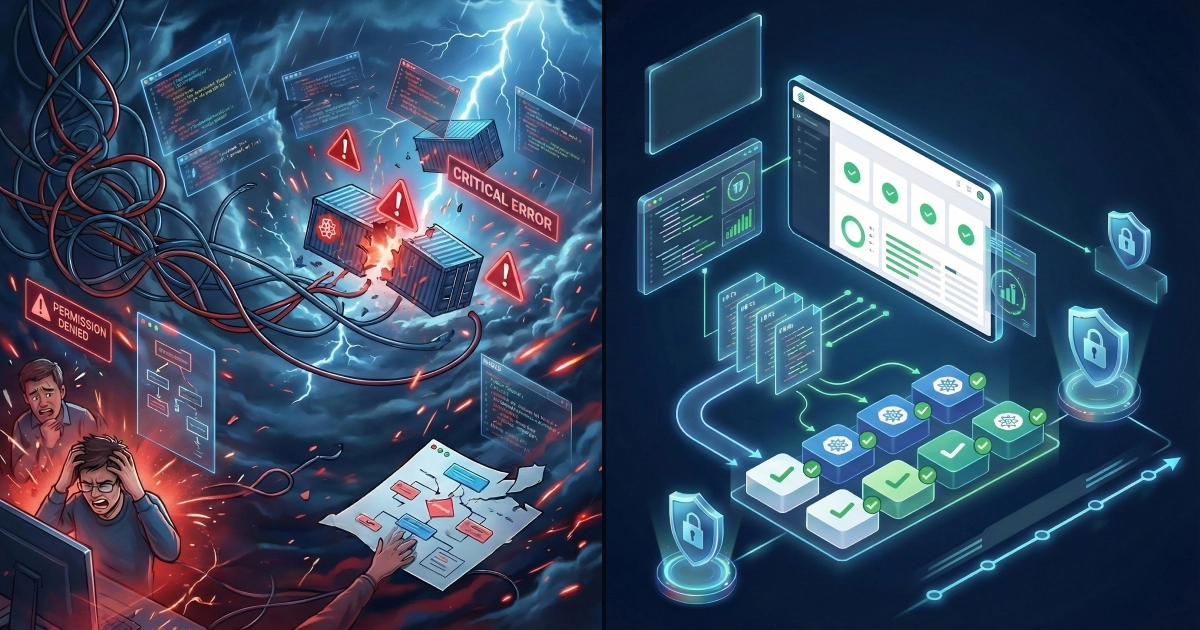 From Chaos to Control: Secure, Auditable Deployments with SmoothGlue Console
In highly regulated industries, the need for strict security controls and clear audit trails often clashes with the desire for developer agility. This friction creates complexity—a chaotic environment where moving quickly feels at odds with staying secure.
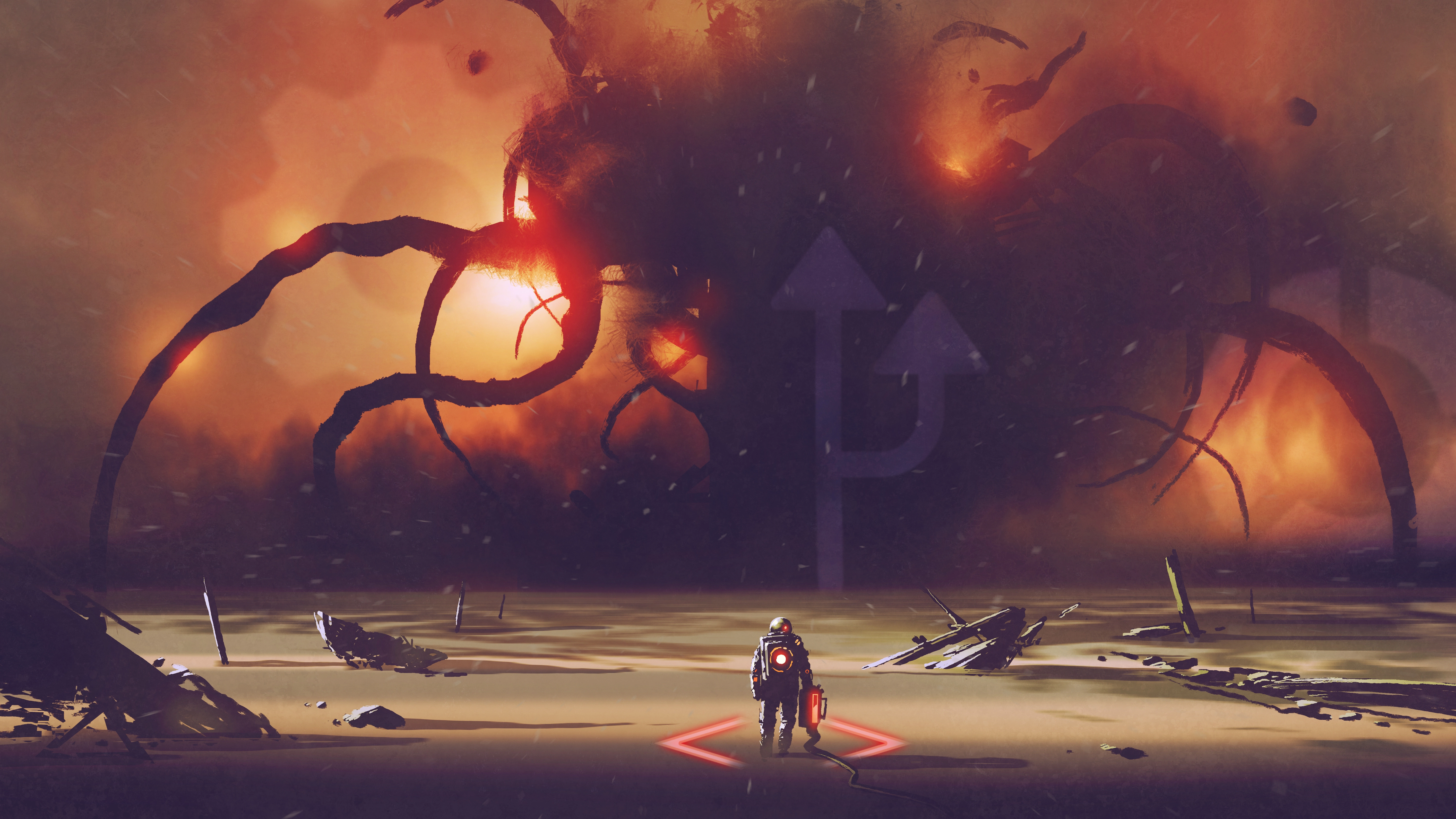 Don't Let the Pipeline Be the Final Boss
If your CI/CD pipeline feels like the Final Boss of developer experience, you're not alone. Lower the difficulty level by designing for clarity, flow, and trust—not just control.